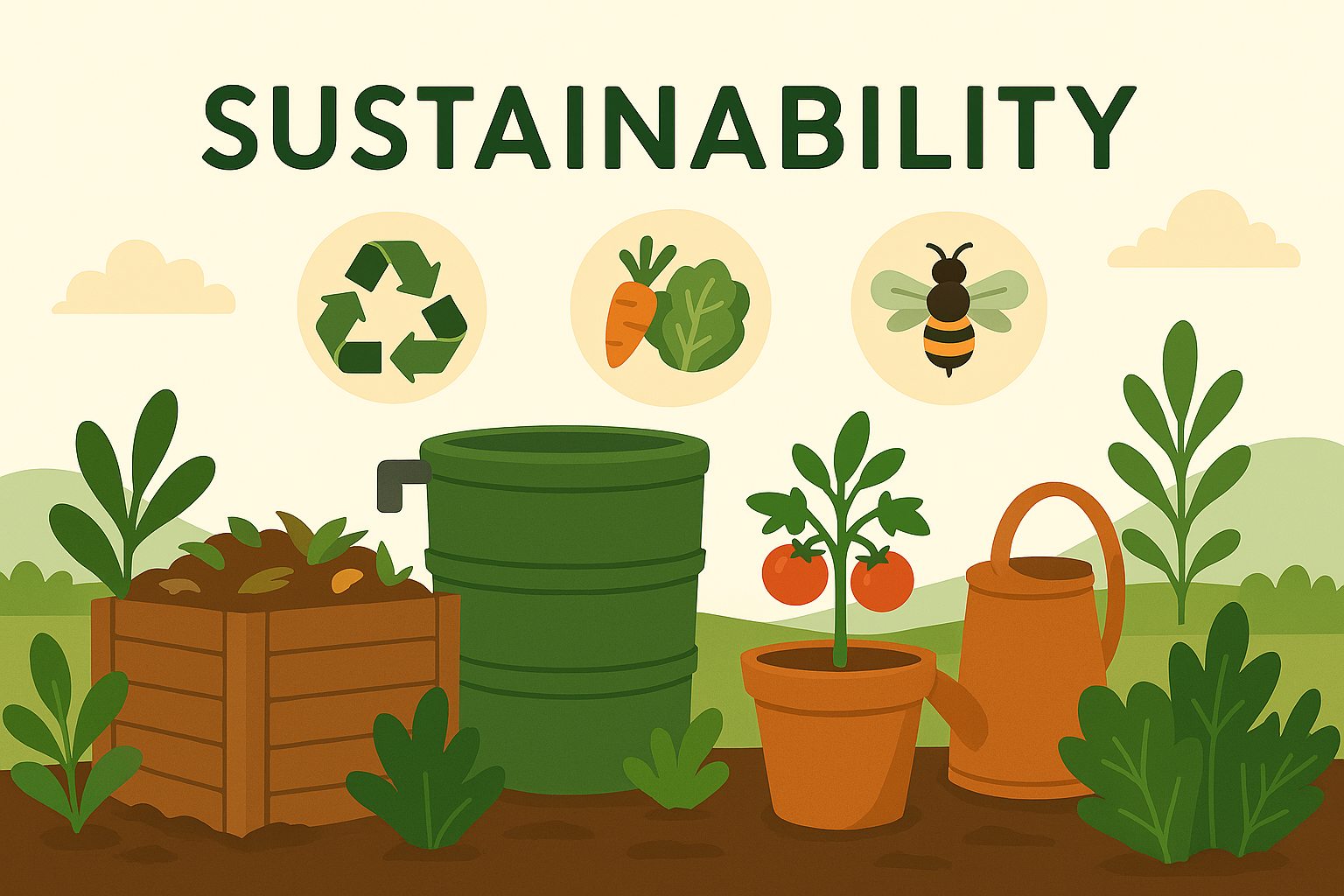
🌱 February Sustainability News
“The Nearly‑Spring Edition”
Hello everyone, and welcome to February on the plots; that slightly awkward month where we’re all desperate to get stuck in, but the soil is still deciding whether it’s ready for us. The days are stretching out a little, the birds are getting livelier, and there’s a definite sense that the growing season is warming up in the wings. It's my absolute favourite time of the year - the anticipation of great things to come (hopefully!)
Here’s your sustainability‑focused round‑up for the month, with practical things to do now and gentle prep for Spring.
🌿 A Month for Planning and Light Pottering
February is ideal for those small, satisfying jobs that make a big difference later. It’s not quite time for full‑on digging and sowing, but it is the perfect moment to get organised, tidy up sensibly, and set yourself up for a smoother Spring.
Seed Sorting & Plot Planning
Now’s the time to:
Sort through your seed stash (take advantage of the seed swap, in the polyhub)Check dates and viability (although some "out of date" seeds can still germinate, so if you loved it once, sow it again and see what happens 🙂)Make a list of what you’ll sow in March and AprilSketch out your crop rotation or bed layout
It’s amazing how much easier Spring feels when you’ve done this bit.
Supporting Wildlife
Birds and early pollinators are starting to stir. A few simple actions help:
Top up feedersClean bird bathsLeave a few corners undisturbed for shelter
Healthy wildlife = healthier plots.
🌼 Sustainable Jobs for February
♻️ 1. Give Your Compost a Quick Once‑Over
A small check now keeps things running smoothly:
Add cardboard or dry leaves if it’s too wetAdd kitchen scraps or green waste if it’s too dryTurn it lightly to keep it aerated
Good compost is one of the best gifts you can give your soil.
🌱 2. Start Chitting Potatoes at Home
Pop seed potatoes somewhere bright and cool.
By the time the soil warms up, they’ll be ready to go straight in.🌧️ 3. Set Up or Check Your Water Collection
If you haven’t already:
Position water buttsCheck lids and tapsMake sure gutters are clear
Every drop saved now is a drop you won’t need to carry in July.
🪵 4. Reuse and Repurpose
Before buying anything new:
Repair old potsUse broken terracotta for drainageTurn pallets into compost bays or planters
It’s cheaper, greener, and oddly satisfying.
🌸 Looking Ahead to Spring on the Allotment
🌼 1. Early Indoor Sowing
Towards the end of February, you can start:
ChilliesTomatoesSweet peas
Just keep an eye on space - windowsills fill up quickly (which I can personally attest to😄)
🐝 2. Plan Your Pollinator‑Friendly Planting
Think ahead to what you’ll grow to support bees and beneficial insects:
LavenderBorageFoxglovesSingle‑flower varieties
A thriving pollinator population boosts yields across the whole site.
🌿 3. Prepare Mulching Materials
If you haven’t mulched yet, gather:
Leaf mouldCompostStraw or woodchip
Mulching helps retain moisture, suppress weeds, and improve soil structure; all invaluable as the season gets going.
🌍 Sustainability Tip of the Month
“Grow what your soil wants to grow, not what you wish it would”
One of the most sustainable choices a plot holder can make is to work with their soil rather than against it. Before buying new compost, fertilisers, or fancy amendments, take a moment to check what your soil is already telling you.
A few simple steps help you grow more with less:
Do a quick soil squeeze test - is it sandy, sticky, crumbly?Notice what grows well on your plot already - weeds are surprisingly honest soil indicators.Choose crops that suit your soil type - they’ll need fewer inputs and less fuss.Add organic matter gradually - compost, leaf mould, and mulches improve soil health naturally over time.
It’s sustainable, cost‑effective, and makes for happier plants, and happier plot holders too.
🌞 Final Thought
February may be a quieter month, but it’s full of promise. A bit of planning, a bit of tidying, and a few thoughtful sustainable choices now will set you up beautifully for a productive, enjoyable spring on the plots.
Here’s to a greener, lighter month ahead.
Take care everyone
Helen
Sustainability Officer